Boost Testosterone Naturally Through Smart Food Choices
Discover the science-backed foods and eating strategies that support healthy testosterone levels, energy, muscle development, and overall male vitality. Learn from evidence-based nutrition research.
The information on this site is for educational purposes only and does not constitute medical advice. Always consult a qualified healthcare professional before making health decisions.
Why Food Matters for Hormone Health
Nutrient Dense
Key minerals like zinc, magnesium, and selenium are essential cofactors in testosterone synthesis and male reproductive function.
Cardiovascular Support
Healthy blood flow is critical for hormone transport and sexual function. Certain foods improve arterial elasticity and reduce oxidative stress.
Muscle & Strength
Protein-rich foods supply amino acids for muscle protein synthesis, while certain compounds enhance muscle growth signaling pathways.
Energy & Mood
Balanced nutrition stabilizes blood sugar, supports neurotransmitter production, and promotes mental clarity and emotional well-being.
Top Testosterone-Supporting Foods
These nutrient-rich foods are backed by nutritional science and contain compounds that help optimize hormone health and male vitality.
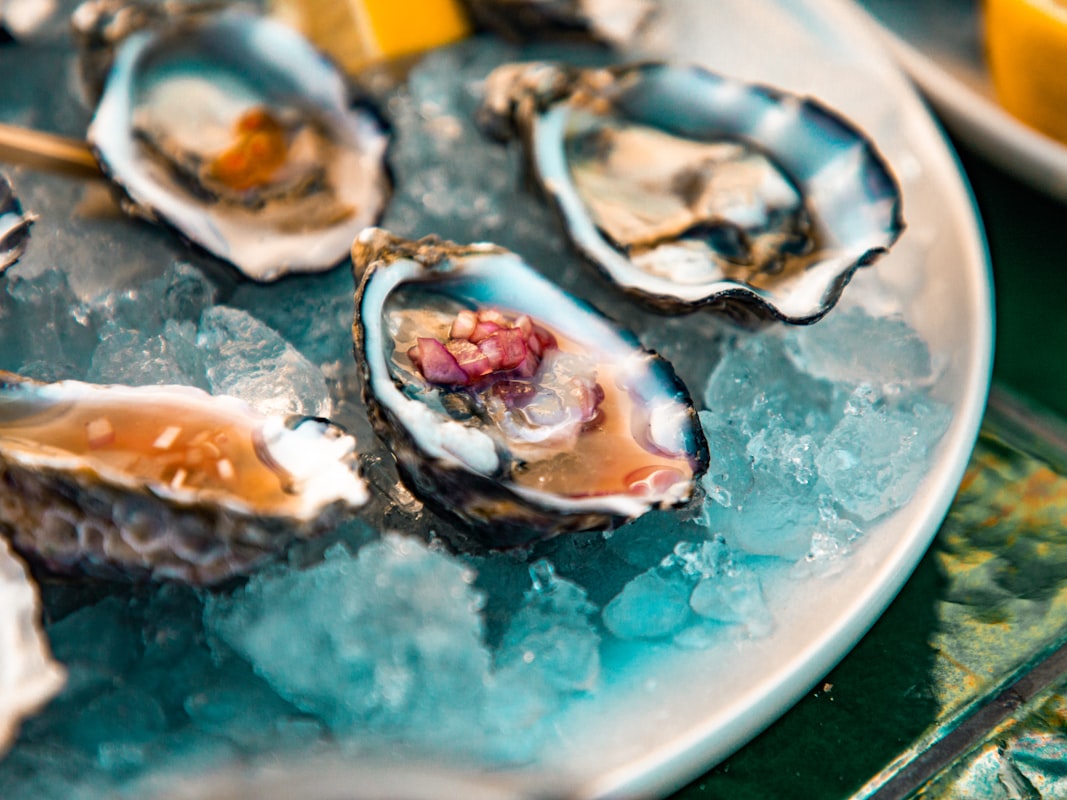
Oysters & Shellfish
Oysters are among the richest natural sources of zinc, a mineral critical for testosterone production and sperm quality. A single serving can provide 300% of your daily zinc requirement.
- ✓ Extremely high in zinc
- ✓ Rich in amino acids
- ✓ Low in calories

Lean Red Meat
Beef, lamb, and venison contain high-quality protein, iron, and carnitine. These support muscle development and energy production, which are connected to healthy hormone levels.
- ✓ Complete protein source
- ✓ Bioavailable iron & B vitamins
- ✓ Contains creatine
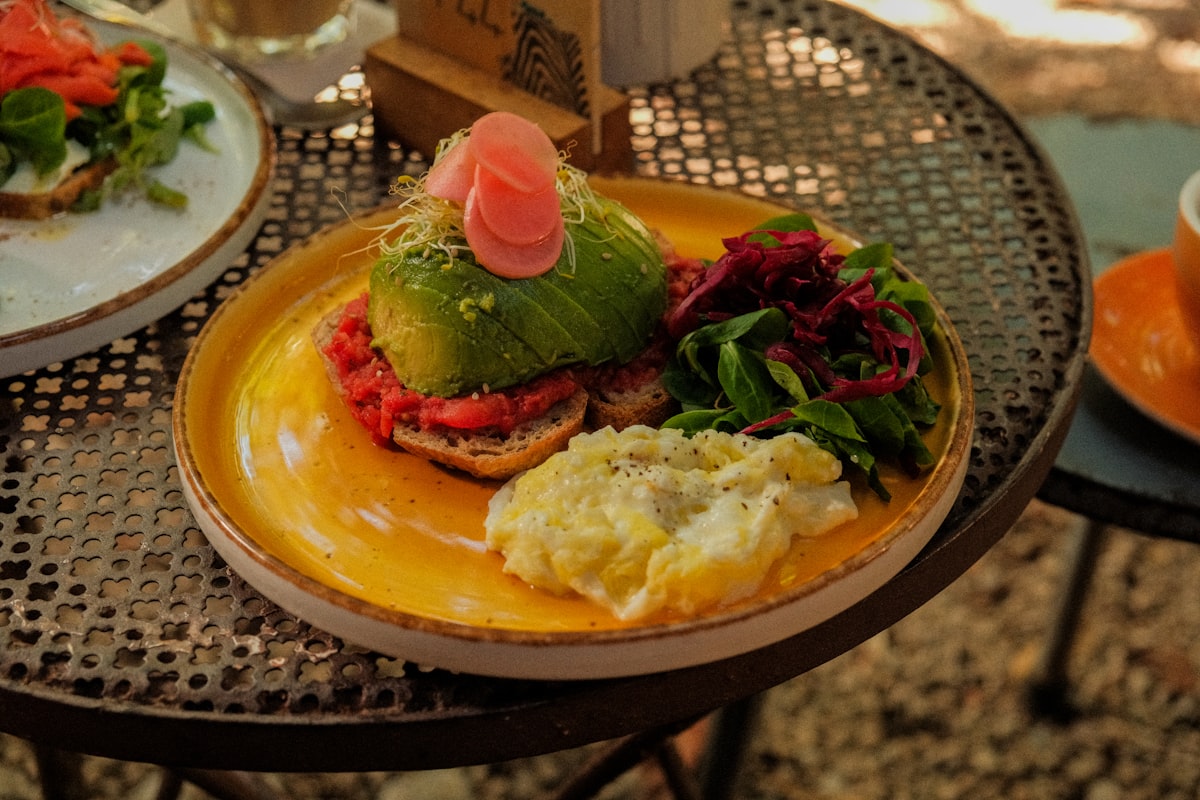
Whole Eggs
Eggs are nutrient powerhouses containing choline, lutein, and high-quality protein. The yolk contains cholesterol, a precursor for testosterone and other steroid hormones.
- ✓ Complete amino acid profile
- ✓ Rich in choline
- ✓ Affordable & versatile
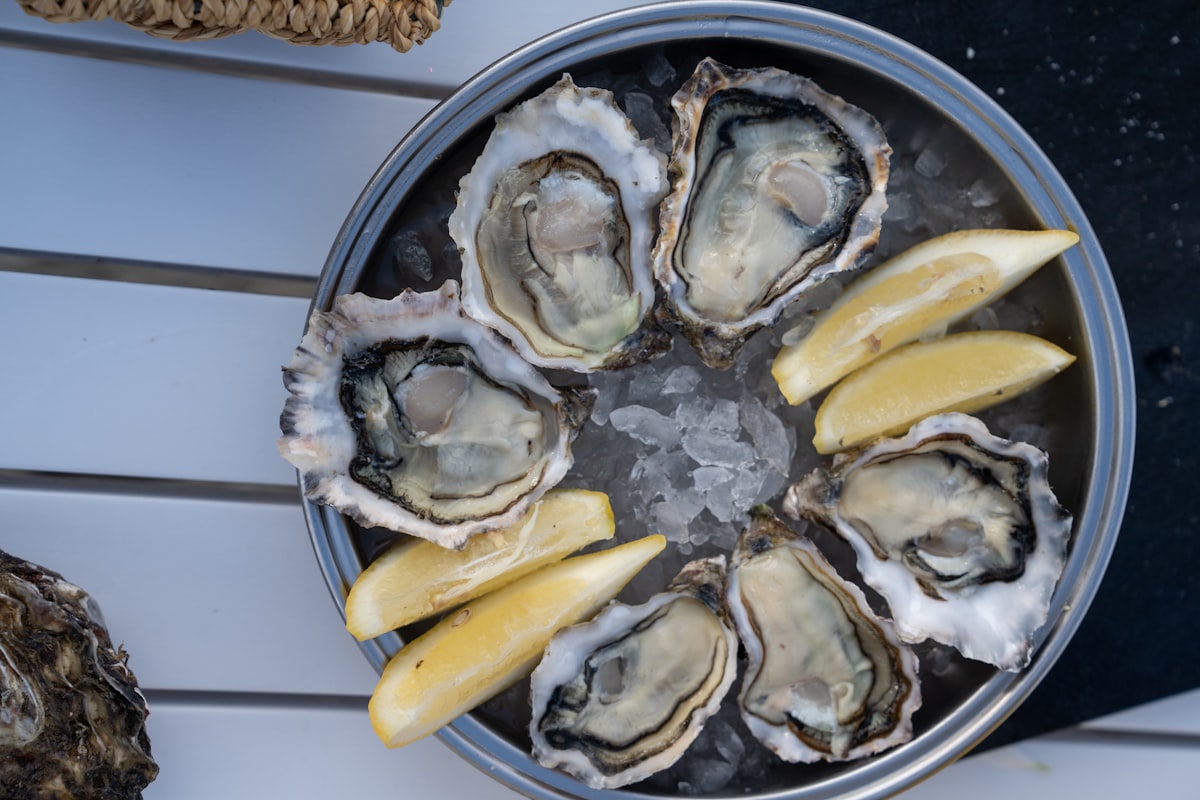
Fatty Fish
Salmon, sardines, and mackerel are rich in omega-3 fatty acids, which reduce inflammation and support healthy blood flow. They also contain vitamin D, which is linked to testosterone regulation.
- ✓ Omega-3 fatty acids
- ✓ Vitamin D & selenium
- ✓ Anti-inflammatory compounds
Nuts & Seeds
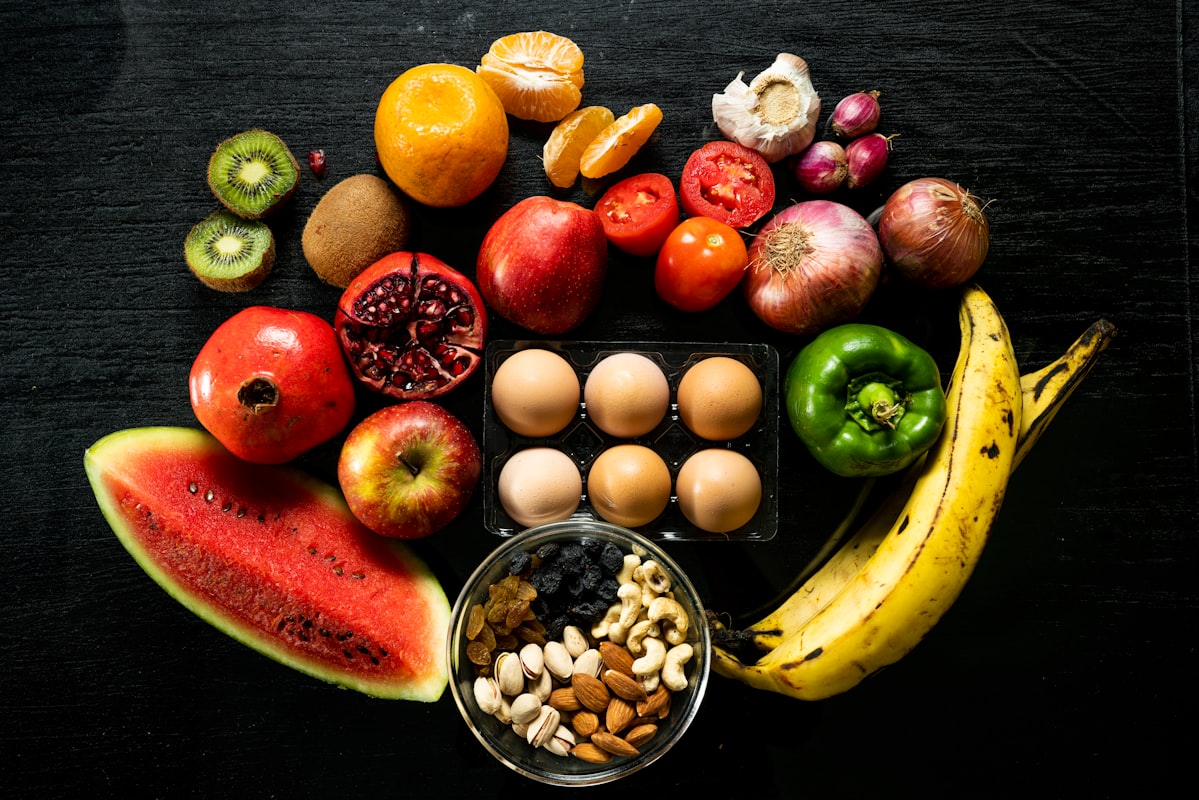
Brazil nuts, pumpkin seeds, and almonds are packed with magnesium, selenium, and healthy fats. These minerals are crucial for testosterone production and muscle recovery.
- ✓ High in magnesium
- ✓ Plant-based selenium
- ✓ Healthy monounsaturated fats
Cruciferous Vegetables
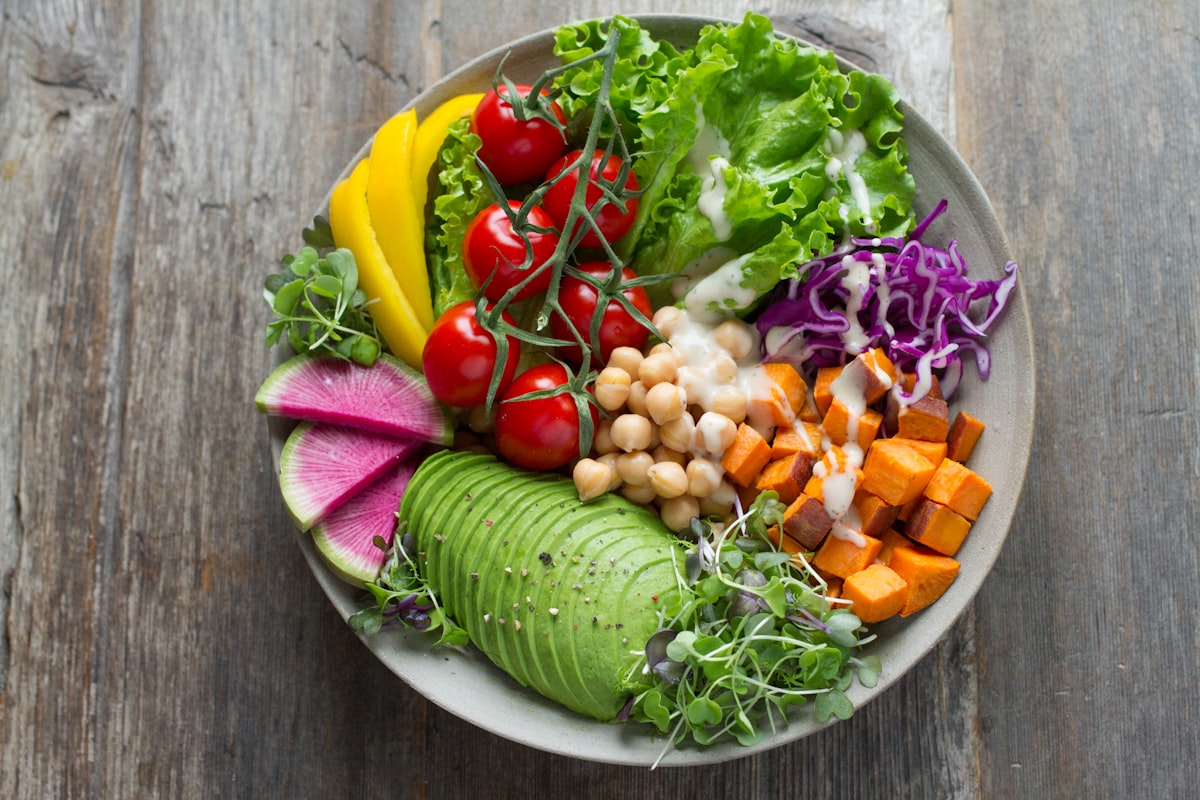
Broccoli, cabbage, and Brussels sprouts contain compounds that may help balance estrogen metabolism, allowing testosterone levels to remain optimal in the body.
- ✓ Contains indole-3-carbinol
- ✓ High in fiber
- ✓ Rich in vitamins C & K
The Science Behind Food & Testosterone
Testosterone doesn't appear out of nowhere—it's synthesized in the testes through a complex biochemical process that requires specific nutrients as building blocks and cofactors. Your diet directly influences whether your body has the raw materials needed for optimal hormone production.
When you consume foods rich in zinc, magnesium, vitamin D, and selenium, you're supporting the enzymatic pathways responsible for converting cholesterol into testosterone. Deficiencies in any of these minerals can lead to suboptimal hormone levels, regardless of your genetics.
Beyond hormone synthesis, the foods you eat also influence estrogen metabolism, blood flow, muscle protein synthesis, and inflammation levels—all factors that affect how your body expresses testosterone and how you feel physically and mentally.
Nutrient-Dense Foods = Better Hormone Synthesis
Minerals and vitamins are essential cofactors in testosterone production.
Protein Supports Muscle & Strength
Adequate protein intake is linked to healthy testosterone levels and muscle development.
Healthy Fats Regulate Hormones
Cholesterol and fat-soluble vitamins are necessary for steroid hormone production.

Your 4-Week Nutrition Plan
Week 1: Foundation Phase
Focus: Establish a baseline of nutrient-dense foods and eliminate deficiencies.
- Daily: 2-3 portions of fatty fish or shellfish (oysters, salmon, sardines)
- Daily: 1-2 handfuls of nuts or seeds as snacks
- 3-4 times/week: Red meat (beef, lamb) as primary protein
- Daily: 2-3 whole eggs (especially the yolk)
- Daily: One portion of cruciferous vegetables with meals
Week 2: Optimization Phase
Focus: Optimize meal timing and macronutrient ratios for hormone support.
- Breakfast: Include eggs or fatty fish 5-6 days per week
- Lunch/Dinner: Alternate red meat, poultry, and fish daily
- Post-Workout: Protein + carbs within 2 hours of exercise
- Snacks: Brazil nuts, almonds, or pumpkin seeds daily
- Hydration: Adequate water intake (at least 3-4 liters daily)
Week 3: Consistency Phase
Focus: Build sustainable habits and monitor how you feel.
- Meal Prep: Prepare testosterone-supporting proteins in bulk
- Tracking: Note energy levels, mood, and physical performance
- Variety: Rotate between different seafood and meat sources
- Vegetables: Include at least 2 servings of crucifers daily
- Sleep: Maintain 7-9 hours nightly (hormone levels depend on sleep)
Week 4: Sustainable Living
Focus: Convert dietary changes into a permanent lifestyle.
- Routine: Maintain hormone-supporting foods as dietary staples
- Assessment: Evaluate changes in energy, strength, and mood
- Flexibility: Allow 10-15% of diet for other foods you enjoy
- Exercise: Combine nutrition with regular strength training
- Ongoing: Keep learning from our articles and nutrition guides
Important Note: Individual responses to dietary changes vary. Factors like age, genetics, training intensity, sleep quality, and stress levels all influence hormone levels. This plan is educational and based on nutritional science. For personalized advice, consult qualified professionals.
Foods: Benefits Comparison
| Food | Key Nutrients | Hormone Support | Best For |
|---|---|---|---|
| Oysters | Zinc (300% DV), Copper, Selenium | Direct testosterone synthesis | 2-3 servings/week |
| Red Meat | Protein, Iron, B-vitamins, Creatine | Muscle synthesis & energy | 3-4 times/week |
| Eggs | Choline, Cholesterol, Protein, Lutein | Hormone precursors & brain health | Daily (1-3 eggs) |
| Fatty Fish | Omega-3s, Vitamin D, Selenium | Anti-inflammatory & cardiovascular | 2-3 times/week |
| Brazil Nuts | Selenium, Magnesium, Zinc | Antioxidant & mineral support | 2-3 nuts daily |
| Broccoli | Indole-3-carbinol, Fiber, Vitamins C & K | Estrogen balance & detoxification | Daily (1-2 cups) |
What People Are Saying
Real insights from readers who have adopted testosterone-supporting nutrition strategies.
"The information about zinc-rich foods was eye-opening. Within three weeks of eating oysters twice a week and adding more fish to my diet, my energy levels and workout performance noticeably improved. The articles were clear and backed by science—no hype, just facts."
Rido Sucipto
Surabaya, Indonesia
"I was skeptical about whether diet could really affect my hormone levels, but the evidence presented here convinced me to try the 4-week plan. More lean meat, better sleep, and cutting out processed foods—my mood and motivation improved significantly. Great resource."
Ahmad Wijaya
Jakarta, Indonesia
"Finally found an article that explains male health issues without judgment. Healthylifemalehub is a game-changer!"
Rudi Hartono
Surabaya, Indonesia
Ready to Transform Your Health?
Join thousands of men already taking control of their wellness journey. Start reading our expert guides today.
Frequently Asked Questions
Healthylifemalehub
Your trusted source for male health, fitness, and wellness advice. Empowering men to live healthier, happier lives.
Categories
Get in Touch
- [email protected]
- +62 (021) 1234-5678
- Jakarta, Indonesia
© 2024 Healthylifemalehub. All rights reserved.